
[SAMPLE ARTICLE — drawn from publicly available resources. Review before publishing]
Repair cafes are one of the most popular and effective Transition projects — they bring people together, keep things out of landfill, and share skills that are increasingly rare. Here's how to start one.
What is a repair cafe?
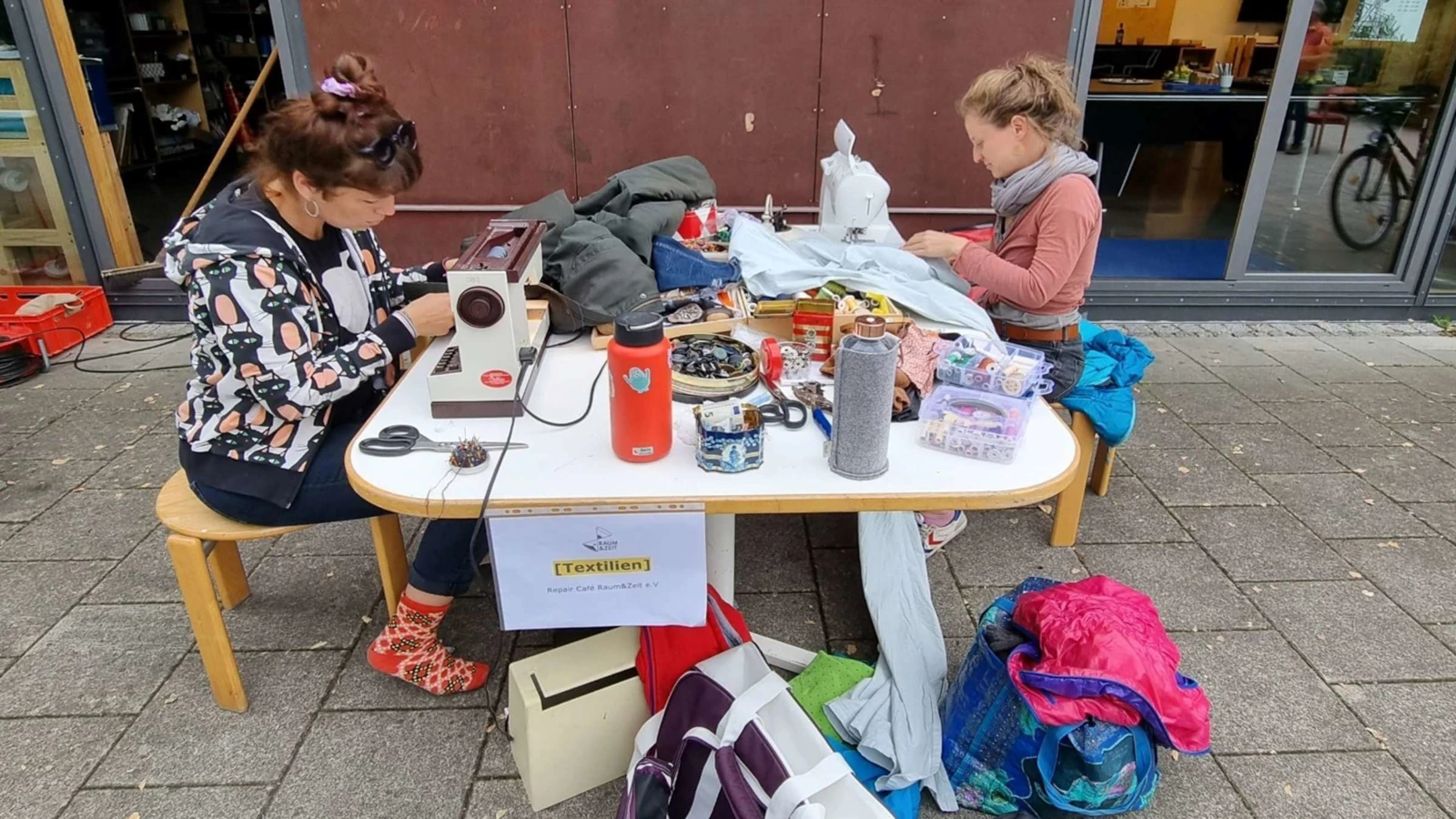
A repair cafe is a free, drop-in event where volunteers with fixing skills help members of the public repair broken items. Typical items include clothing, small electrical appliances, bikes, jewellery, books and toys. No appointment needed — people arrive with their broken things, meet a repairer, and leave having fixed it (hopefully) or at least knowing more about it.
The global Repair Café Foundation estimates that there are now over 2,500 repair cafes in more than 35 countries.
What you need to get started
- A venue — a community hall, library, church or pub function room. You need tables, power points and enough space for people to spread out. Many venues will offer free or reduced rates for community events.
- Volunteers — you don't need formal qualifications. You need people who are confident fixing things: sewers and knitters for textiles, people comfortable with basic electronics, cyclists for bikes. Even a team of 4–6 to start is fine.
- Tools — screwdrivers, soldering irons, sewing machines, scissors, spare parts. Many groups ask volunteers to bring their own.
- Publicity — a simple Facebook event, local noticeboards, leaflets. Word of mouth is powerful — once someone has had something fixed they tell their friends.
- Insurance — the Repair Café Foundation offers liability insurance and a starter kit. Some Transition groups use their local council's community event insurance.
London Transition initiatives running repair cafes
Several London Hub initiatives already run regular repair cafes and would be happy to share their experience:
- Transition Ealing —
This email address is being protected from spambots. You need JavaScript enabled to view it. - Transition Town Ilford —
This email address is being protected from spambots. You need JavaScript enabled to view it. - Transition Town Kingston — ttkingston.org
- Transition Town Tooting — transitiontooting.org
Further resources
- Repair Café International: repaircafe.org
- Restart Project (UK): therestartproject.org
- Transition Network repair resources: transitionnetwork.org/resources